

Workplace Stress Management: Strategies for a Healthy Office
Workplace stress occurs when job demands exceed an employee’s ability to cope, triggering harmful physical and emotional responses. These stress responses can include persistent fatigue, anxiety and physical symptoms, impacting both personal well-being and job performance.
In the U.S, it is estimated that job stress costs businesses billions of dollars each year through reduced productivity and higher healthcare expenses, however, effective workplace stress management programs help maintain productivity, morale and well-being. By addressing root causes of stress and teaching coping skills, organizations can make a healthier, more engaged workforce.
Understanding Workplace Stress
Workplace stress often starts from common issues in the job environment like too much work, unclear job roles, long hours, or conflicts with co-workers (including bullying). When these pressures build up, they can lead to constant tiredness, irritability, or anxiety. If not managed early, stress can grow into burnout, a state of deep exhaustion and loss of motivation that harms both health and job performance.
Noticing the early signs such as trouble sleeping, feeling easily annoyed, or losing interest in work is the first step to stopping stress from getting worse.
1. Common causes: High work demands with insufficient resources, tight deadlines, ambiguous goals and poor work-life balance .
2. Impact on health: Job stress can trigger chronic headaches, sleep disturbances and mental health issues. The CDC notes that workers under severe stress often feel emotionally drained and may develop anxiety or depression .
3. Organizational effects: Stressed employees tend to be less focused, take more sick days, and have higher turnover. In fact, the CDC warns that exhausted workers “may be less engaged at work and choose to leave their job”. Over time, unaddressed stress erodes team morale and productivity.
Understanding these factors from heavy workload to lack of control helps organizations and employees recognize when stress is becoming a problem. With that awareness, appropriate strategies (both organizational and personal) can be put in place to manage pressure before it becomes overwhelming.
8 Ways for Dealing with Stress in the Workplace
Employers can significantly reduce job stress through thoughtful workplace design and supportive policies. High-impact strategies include:

1. Redesign Workloads and Roles. Ensure job demands match employee skills and capacity. For example, evaluate job descriptions and realign tasks to avoid chronic overload. According to NIOSH, job stress arises when work demands exceed a worker’s capabilities or resources , so balancing duties and support is crucial.
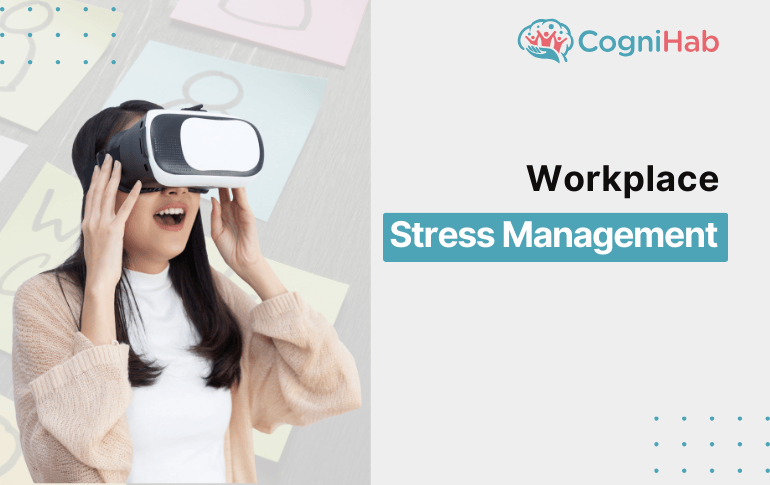
2. VR Mindfulness:- VR mindfulness for enterprise is reshaping workplace stress management by offering immersive, calming experiences like jungle walks, beach scenes, and ancient healing practices such as chanting, humming, breathing exercises, and asanas. These sessions promote deep relaxation, help employees disconnect from daily pressures, reduce anxiety, and improve focus, making it a powerful tool for workplace wellness.
3. Increase Employee Control and Participation. Empower employees with a say in how their work is done. Involving staff in scheduling, deadline-setting or work-method decisions gives them more control over their tasks. The CDC recommends giving workers “increased flexibility and control over their work and schedules” as a key stress-reduction policy . When employees feel they have a voice, feelings of helplessness and frustration diminish.
4. Offer flexible work arrangements. Provide options like flexible hours, remote or hybrid work, and compressed workweeks where feasible. These arrangements can improve work-life balance and reduce commute-related strain. Enabling remote work or adjusted start times lets employees manage personal needs while meeting job goals. Such flexibility is cited by health experts as an effective buffer against stress .
5. Provide Employee Assistance Programs (EAPs). Give employees access to counselling, coaching and wellness resources. On-site or virtual EAP services (including mental health counselling, legal or financial advice, or stress management workshops) make it easier for workers to get help. The CDC explicitly suggests ensuring “access to Employee Assistance Programs” in any stress prevention initiative . Promoting and destigmatizing EAPs shows employees the organization cares about their well-being.
6. Train Managers and Leaders. Educate supervisors to recognize stress signs and practice supportive management. Training can cover fair work distribution, communication techniques and problem-solving. The CDC notes that training managers on reducing stressful conditions is part of an effective workplace stress program . When leaders model empathy and address issues early, staff feel more understood and supported.
7. Encourage Communication and Peer Support. Promote an open culture where employees can discuss stressors without stigma. Leaders should hold regular check-ins or team meetings to review workloads and concerns. The CDC advises workers to “talk openly about how job stress is affecting your well-being” and to collaborate on solutions . Establishing peer-support groups or mentorship programs also allows staff to share coping strategies. Open dialogue helps catch small problems before they grow and builds trust across the team.
8. Eliminate Chronic Stressors. Tackle root causes such as unreasonable deadlines, toxic behaviors or role conflicts. For instance, enforce strict policies against bullying and set realistic project timelines. The CDC emphasizes eliminating “excess demands or workplace bullying” as part of creating a mentally healthy environment . By resolving systemic issues (like chronic understaffing or unclear procedures), organizations prevent stress from building up in the first place.
By combining these approaches redesigning work, giving employees more autonomy, and offering support, employers create a sustainable, low-stress work environment. Research indicates that organizations actively managing psychosocial risks see much better stress outcomes.
Taking action at the organizational level sends the message that employee well-being is a priority, which in turn can reduce the perception of stress.
Individual Techniques for Managing Stress at Work
In addition to organizational support, individuals can adopt personal techniques to stay resilient. Practicing healthy habits and coping skills helps workers handle day-to-day pressures. Consider these expert-recommended strategies:

1. Time management and prioritization. Break projects into smaller tasks and set realistic deadlines. Our experts advise focusing on important tasks first and learning problem-solving techniques to manage workload . Use planners or digital tools to organize tasks, and try the “eat the frog” method by tackling the hardest task early. Avoid multitasking, which can increase mental strain. Clear priorities and structure reduce feelings of overwhelm.
2. Mindfulness and relaxation. Take short, relaxing breaks during the day to reset. Practices like deep breathing exercises, meditation or even brief stretching can calm your stress response. Some best relaxation methods including yoga, meditation and deep breathing help achieve stress relief . For example, closing your eyes for a few minutes of focused breathing between meetings can lower anxiety. Even a quick guided mindfulness session during lunch can boost focus and energy.
3. Physical activity. Stay active to counteract stress hormones and improve mood, Even simple actions like walking during a break, doing desk stretches, or taking the stairs can help. Regular aerobic exercise (e.g. a brisk walk or light jog) is especially effective. In one workplace study, participants who engaged in stress-reducing activities reported sleeping better and feeling more energetic in the newsroom. Physical activity not only reduces stress physiologically but also gives a sense of accomplishment and confidence.
4. Healthy lifestyle habits. Maintain a balanced diet, stay hydrated and get enough sleep, Fatigue and poor nutrition amplify stress. Plan regular meals and drink water throughout the day to keep energy levels steady. Aim for 7–9 hours of sleep to recharge your mind and body. Outside work, spend time with friends and family or engage in hobbies that relax you. These positive habits serve as buffers against work pressures and help you approach challenges from a stronger position.
5. Support networks. Talk with co-workers, friends or mentors when feeling stressed. Sharing frustrations and solutions can bring new perspectives. The CDC recommends discussing workplace stress openly and identifying stressors together . For example, a colleague might offer a tip for handling a difficult client, or a friend might encourage you to set clearer boundaries. Don’t hesitate to seek professional support (through an EAP counsellor, therapist or coach) if needed — sometimes an external viewpoint can help you develop new coping strategies.
6. Set personal boundaries. Learn to say no and set realistic limits on your workload, Clarify job expectations with your manager to avoid taking on too much. If working remotely, establish clear “work hours” and take regular breaks away from your desk. Even short pauses (standing to stretch or chatting with a co-worker) throughout the day can prevent burnout . Protecting your personal time – such as turning off notifications outside work hours – ensures you have energy for both work and life
In practice, small changes – such as a 2-minute breathing break or a 10-minute walk – can make a big difference to cope with stressful situations at work.
Cognihab’s Personalized Solutions
Workplace stress isn’t one size fits all, so why should the solution be?
We offer Personalized VR Journeys designed around your organization’s specific stress patterns and employee needs. Whether your team struggles with tight deadlines, constant meetings, or digital fatigue, Cognihab helps design immersive stress relief plans that truly fit.
Employees begin with a quick stress assessment, identifying common triggers like workload pressure, communication overload, or emotional burnout. Based on their responses, Cognihab creates customized virtual journeys from peaceful beach scenes and forest walks to ancient mindfulness practices like chanting, humming, breathing exercises, and asanas. These sessions are not just relaxing, they're strategically crafted to address specific stressors.
Along with immersive VR experiences, We also provides:
Tailored strategies: Personalized actions like time management tips, mindfulness exercises, or team engagement practices.
Step-by-step resources: Downloadable guides, desk reminders, and short videos for continued support.
Progress tracking: Visual tools like stress charts and Analytics to keep employees motivated.
Case Studies
Mindfulness Training in a Call Centre :- A Study conducted by Cleveland clinic, a large call center introduced an 8-week online mindfulness program for its staff newsroom.. Employees learned meditation and relaxation techniques to use during the workday. After 8 weeks, participants reported feeling more energetic and significantly less stressed. Many also noted sleeping better and feeling healthier. Crucially, After a few months of the program, stress levels among participants remained 31% lower and their vitality 28% higher compared to baseline newsroom.
The above case illustrate that both mindfulness programs and supportive workplace initiatives can significantly reduce stress and improve well-being. Organizations that invest in such strategies often see lower absenteeism and higher employee engagement over time.
Conclusion
Effective management of workplace stress benefits everyone. Employers who proactively address stress through better job design, open communication and flexible policies create a healthier work culture. Employees who learn and practice coping skills (from time management to mindfulness) can improve their own resilience and productivity. Altogether, these efforts reduce absenteeism, lower healthcare costs, and boost morale. By using the strategies and resources outlined here – and leveraging tools like our Personalized Stress Management Toolkit organizations can build a workplace where employees truly thrive.
Resources
For more information on workplace stress management, see:
https://www.who.int/publications/i/item/9789240003927
https://www.cdc.gov/mental-health/caring/providing-support-for-workers-and-professionals.html