

Cancer Diagnosis: What Happens, What to Expect, and How to Cope
Hearing the words "you may have cancer" can be emotionally overwhelming. The diagnostic process often involves multiple tests, waiting periods, and difficult conversations. Understanding how cancer is diagnosed can reduce anxiety and help patients feel more prepared.
How Cancer Is Diagnosed
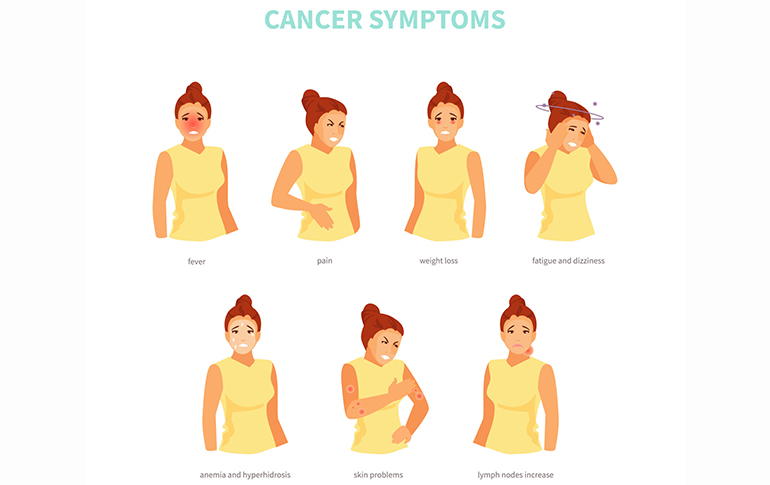
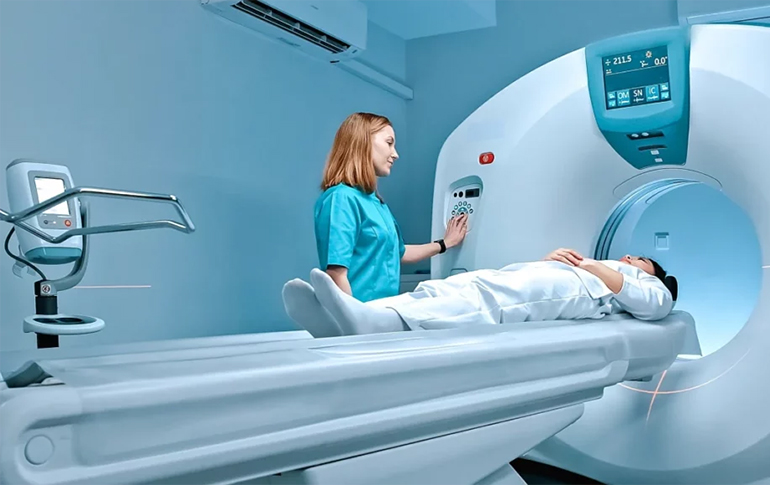
Diagnosis usually begins when symptoms persist or appear unusual. Doctors may recommend blood tests, imaging scans such as CT scans or MRIs, and sometimes a biopsy.
A biopsy involves removing a small sample of tissue to examine it under a microscope. This step confirms whether cancer cells are present and identifies the type of cancer.
Understanding Cancer Staging
Once cancer is confirmed, doctors determine its stage. Staging explains how large the cancer is and whether it has spread. This information helps guide treatment decisions.
Early-stage cancers are often easier to treat, while advanced stages may require more complex care. Staging helps doctors personalize treatment plans.
Emotional Impact of a Cancer Diagnosis
A diagnosis can trigger fear, denial, anger, or numbness. Many patients worry about their future, family, and finances even before treatment begins.
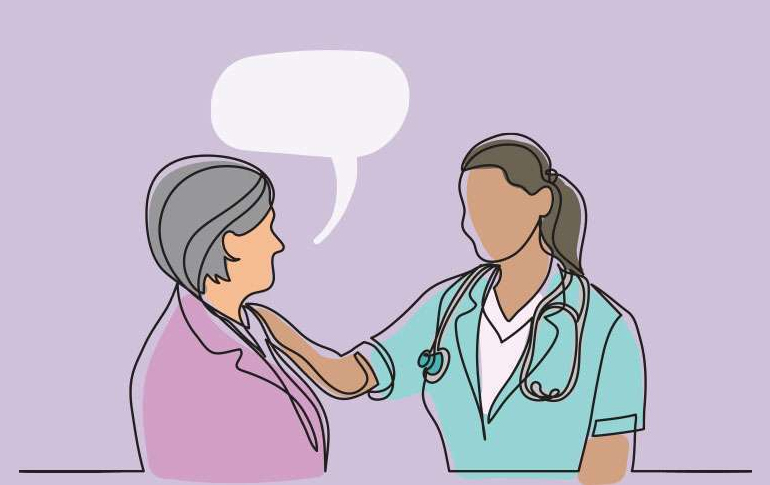
These emotional reactions are normal. Talking openly with healthcare providers and loved ones can ease the mental burden.
Coping During the Diagnosis Phase
Seeking accurate information, asking questions, and building a support system are essential coping strategies. Counseling, mindfulness practices, and digital therapeutic tools can help manage anxiety during this period.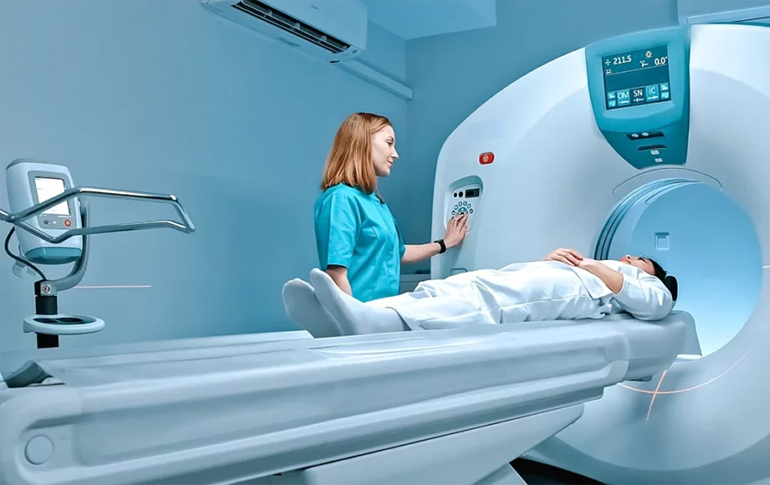
Conclusion
Understanding the diagnostic process transforms fear into knowledge. When patients know what to expect, they can face diagnosis with greater confidence and emotional strength.