

Understanding Cancer: What It Is, How It Develops, and Why Awareness Matters
Cancer is one of the most talked-about health conditions in the world, yet it remains widely misunderstood. For many people, the word "cancer" immediately creates fear and uncertainty. This fear often comes not from the disease itself, but from a lack of clear and simple information.
Understanding what cancer is, how it develops, and why awareness matters can help people feel more informed and less overwhelmed. Knowledge empowers individuals to recognize early signs, seek timely medical help, and support loved ones more effectively.
What Is Cancer?
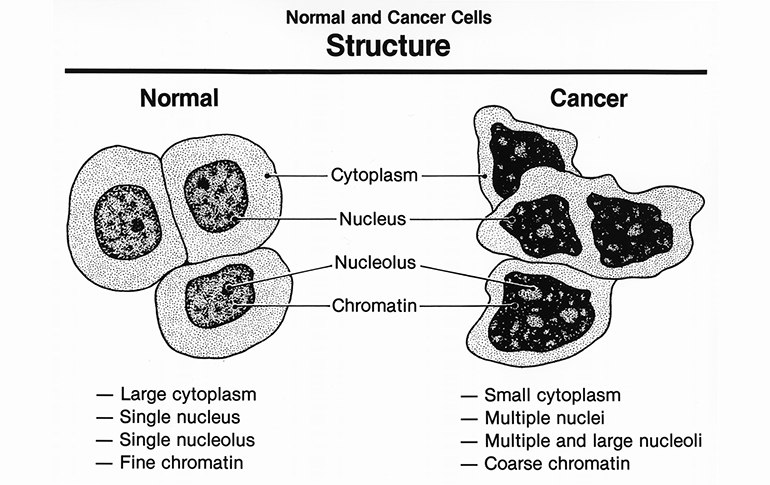
Cancer is not a single disease. It refers to a group of conditions where certain cells in the body begin to grow uncontrollably. In a healthy body, cells grow, divide, and die in an organized manner. Cancer develops when this balance is disrupted.
These abnormal cells may form a mass called a tumor, or in some cases, affect the blood and immune system. Some tumors are benign and do not spread, while malignant tumors can invade nearby tissues or spread to other parts of the body.
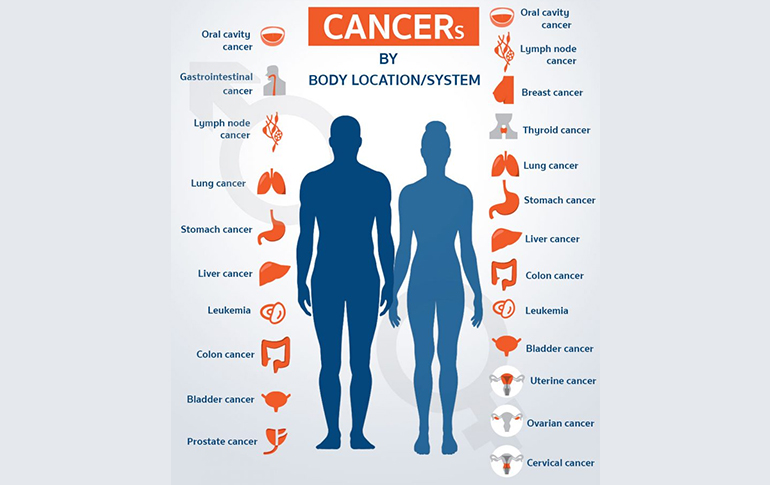
How Cancer Develops in the Body
Cancer usually develops over time. Genetic changes inside cells can occur due to factors such as aging, infections, smoking, radiation exposure, pollution, or inherited genes.
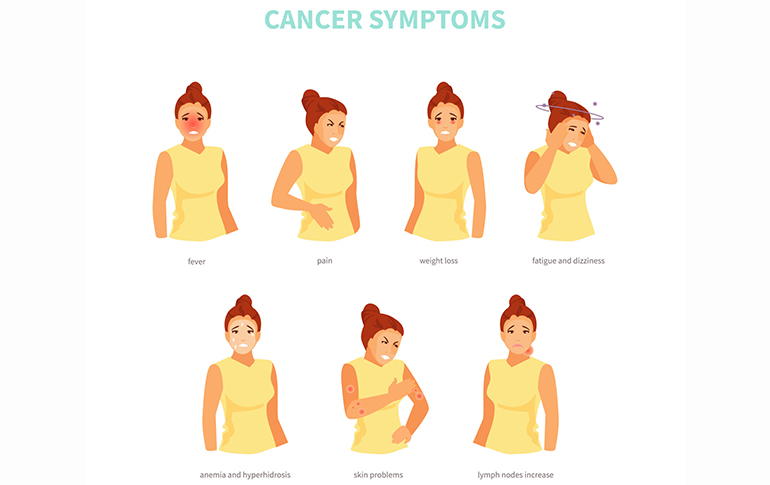
At first, these changes may not cause any noticeable symptoms. As abnormal cells continue to multiply, they may interfere with how organs function. This slow and silent development is why cancer often goes undetected in its early stages.
Common Risk Factors Associated With Cancer
Certain lifestyle and environmental factors increase cancer risk. These include tobacco use, unhealthy diet, lack of physical activity, excessive alcohol consumption, chronic stress, and prolonged exposure to harmful chemicals.
Genetics also play a role in some cancers, meaning family history can increase risk. However, having a risk factor does not mean a person will develop cancer. Awareness helps people make informed health choices.
Why Cancer Awareness Is So Important
Awareness leads to early detection, and early detection saves lives. When people understand symptoms, screening guidelines, and risk factors, they are more likely to seek medical advice sooner.
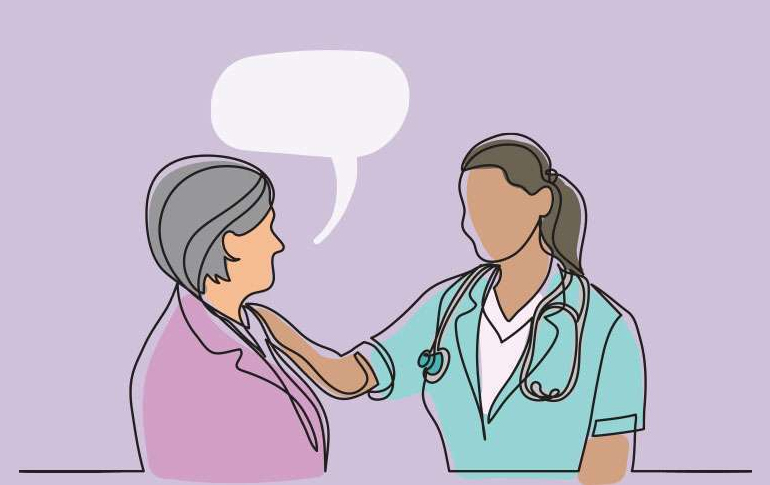
Awareness also reduces stigma. Cancer patients often face emotional isolation due to fear and misinformation. Education fosters empathy, support, and better communication between patients, families, and healthcare providers.
Conclusion
Cancer awareness is not about creating fear. It is about providing clarity, confidence, and control. When people understand cancer, they are better equipped to protect their health and support others. Awareness is the first step toward early diagnosis, effective treatment, and compassionate care.