

Article By: Ishaan Singh
August 12, 2025 | Reading Time: 3 minutes 55 sec | Updated On: 13 August 2025
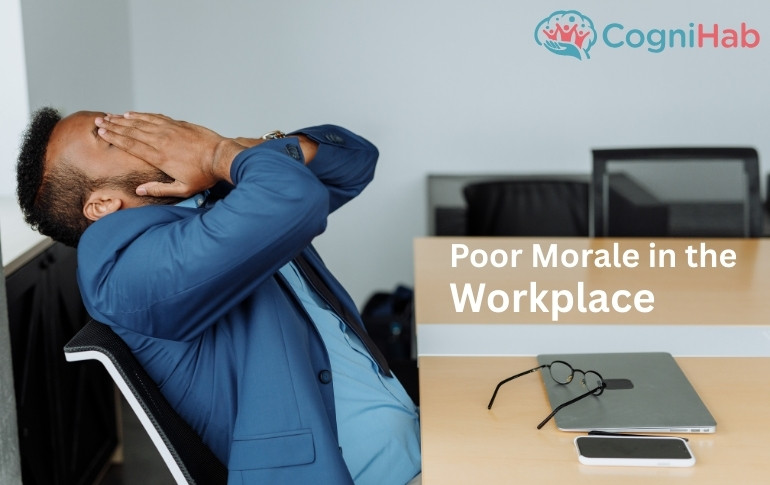
Poor Morale in the Workplace and How Leaders Can Reverse It
You walk into the office on a Monday morning. Instead of the usual chatter, you hear… nothing. Heads are down, smiles are rare, and coffee breaks are more about complaining than connecting.
That’s poor morale in the workplace.
It’s not always loud or obvious. Sometimes, it creeps in quietly and by the time you notice it, productivity, creativity, and employee loyalty have already taken a hit.
And here’s the thing: poor morale isn’t just a “people problem.” It’s a business problem. When motivation is low and dissatisfaction is high, companies in the US can lose millions of dollars each year through turnover, absenteeism, and poor performance.
What Does Poor Morale Look Like?
Poor morale shows up in small ways at first. If you know the signs early, you can prevent it from spreading.
Here are some common symptoms:
- Low employee motivation: Team members only do the bare minimum.
- Increased absenteeism: More sick days and “mental health” days than usual.
- Negative work culture: Gossip, complaining, and lack of trust between staff and management.
- Declining productivity: Projects take longer, deadlines are missed, and quality slips.
- Fatigue in the workplace: People feel drained before the day even starts.
Also read, Exploring Virtual Reality for Relaxation and Stress management
Why Does Poor Morale Happen?
Poor morale doesn’t appear overnight. It’s usually the result of multiple factors building up over time.
1. Lack of Recognition
2. Negative Work Culture
3. Poor Communication
4. Unmanageable Workloads
5. Limited Career Growth
6. Lack of Systems to Tackle Burnout
The Domino Effect: How Poor Morale Impacts a Business
Think of poor morale like a slow leak in a tire. You might still be moving forward, but performance is slipping without you realizing it.
Here’s how it can affect your business:
- Lower productivity: Employees work slower and produce less.
- Higher turnover: People leave for jobs where they feel valued.
- Increased costs: Recruiting and training replacements is expensive.
- Workplace dissatisfaction: Remaining staff feel resentful when others quit.
- Damaged brand reputation: Word gets out, and attracting talent becomes harder.
Also read, Feeling Anxious About Starting a New Job?
The Role of Leadership
In almost every case, leadership plays a key role in either fixing or fueling poor morale in the workplace.
Good leaders listen, communicate clearly, and set the tone for the entire team. Poor leaders ignore feedback, avoid hard conversations, and focus only on numbers instead of people.
If you want morale to improve, it has to start at the top.
Real-Life Story: The Office That Turned It Around
A small marketing agency in Chicago noticed their team had lost its spark. Employees were clocking in late, projects were dragging, and staff lunches turned into complaint sessions.
Instead of ignoring the problem, the CEO called a meeting. But instead of a lecture, she asked one question:
“If you could change one thing about how we work, what would it be?”
The answers were eye-opening:
- Too many last-minute projects
- No recognition for extra effort
- Outdated tools that slowed them down
The leadership team acted fast. They reorganized workloads, set up a monthly “recognition lunch,” and invested in better software.
Within three months, productivity rose 20%, and workplace dissatisfaction dropped significantly.
The lesson? Listening is free. Ignoring is costly.
How to Improve Morale in the Workplace
The good news is that poor morale can be reversed. Here are some strategies that work:
1. Recognize and Reward Effort
- Publicly thank employees for their contributions.
- Offer small incentives , gift cards, team lunches, extra days off.
2. Build a Positive Work Culture
- Encourage collaboration instead of competition.
- Address toxic behaviour quickly and consistently.
3. Reduce Fatigue in the Workplace
- Avoid excessive overtime.
- Allow flexible schedules or remote work when possible.
4. Provide Clear Communication
- Hold regular team updates.
- Be transparent about goals, challenges, and company performance.
5. Create Career Growth Paths
- Offer training and skill-building opportunities.
- Have open conversations about future roles.
6. Use VR Mindfulness
- Short, guided VR mindfulness sessions help employees clear their minds, reduce stress, and return to work with sharper focus
- Immersive experiences promote relaxation, improve mood, and replace workplace fatigue
Quick Wins for Managers
If you want to start improving morale this week, here’s what you can do:
- Greet your team by name each morning.
- Give one piece of positive feedback to every employee by Friday.
- Ask for suggestions in your next meeting and act on at least one.
- Recognize small wins, not just big ones.
Morale isn’t a one-time fix, it’s a constant effort. Teams change, challenges come and go, and the work environment evolves. But keeping morale high has long-term payoffs:
Final Thoughts
Addressing poor morale isn’t just about happier employees, it’s about transforming low motivation into enthusiasm, toxic culture into teamwork, and fatigue into energy. With tools like Cognihab’s VR mindfulness solutions, leaders can restore focus, boost morale, and create a workplace where both the business and its people thrive.